Leopard Print Texture Embroidery Design Review
As a designer who has spent years navigating the fine line between a beautiful digital file and a flawless stitched product, I approach every new machine embroidery design with a mix of excitement and skepticism. The market is flooded with generic patterns, but finding a texture that translates well from screen to fabric is rare. Today, I am putting the Leopard Print Texture Embroidery Design through its paces. This isn't just about downloading an embroidery file; it is about understanding how this specific pattern will behave in a real-world embroidery project, whether you are running a small shop or creating a personalized gift for a friend.
First Impressions: Mood and Visual Weight
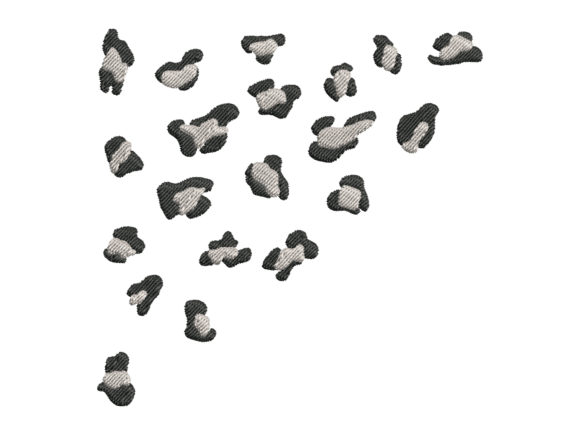
When I first opened the preview of the Leopard Print Texture Embroidery Design, the immediate feeling was one of bold sophistication. Unlike cartoonish animal prints often found in the Animals category, this design leans into a textured, organic aesthetic. The layout suggests a seamless flow rather than rigid geometric repetition, which is crucial for creating a high-end look on custom apparel. The visual personality is edgy yet timeless, making it versatile enough for a modern streetwear brand or a chic boutique accessory.
The detail level appears balanced. It avoids the trap of being so dense that it creates a heavy puckered mess, yet it retains enough definition to read clearly as a leopard print. For those of us who rely on design assets to elevate our product lines, this kind of nuance is what separates a mass-produced item from a curated handmade piece. The interplay of light and dark spots suggests a dynamic use of fill stitch and potentially some satin stitch outlining, which usually results in a rich, dimensional finish.
A Real-World Scenario: The Custom Tote Bag Project
To truly test the viability of this design, let's imagine a practical scenario. I am preparing a limited run of canvas tote bags for an upcoming craft fair. These aren't just grocery bags; they are statement pieces intended for fashion-conscious buyers. I decide to place the Leopard Print Texture Embroidery Design on the lower corner of a natural beige canvas tote. The goal is to create a subtle accent that catches the eye without overwhelming the user.
In my mind's eye, I visualize the stitching process. The natural weave of the canvas provides a perfect backdrop for the earthy tones typically associated with leopard prints. As I mentally map out the placement, I consider how the tote bag design would age. A well-executed texture like this should withstand frequent washing and handling better than a flat screen print. If I were selling these as a small shop product on Etsy, customers would likely appreciate the tactile quality of the embroidery. They can feel the raised texture of the leopard print, which adds significant perceived value to the finished product. This tactile element builds customer trust, signaling that the item is durable and crafted with care.
However, if I were to scale this up to a full back panel on a heavy cotton sweatshirt, the dynamic changes. Sweatshirt embroidery requires careful attention to stabilizer usage because the fabric is thick and fuzzy. The Leopard Print Texture Embroidery Design would need to be large enough to avoid getting lost in the fabric pile. In this context, the design becomes a focal point, transforming a basic garment into a unique fashion statement. The key here is ensuring the stitch density is optimized so the design doesn't pull the fabric too tightly, which could cause distortion over time.
Navigating Challenges: Fabric and Placement
While the potential is high, every digital embroidery file comes with caveats. As a professional reviewer, I must advise caution when applying this design to certain materials. First, consider the fabric texture. On highly textured fabrics like chenille or heavy wool, the intricate details of the leopard spots might get swallowed by the fabric weave. The contrast between the thread and the material is vital. If you are using this on dark fabric, ensure the thread colors chosen offer enough pop, or the texture may appear muddy.
Another critical factor is the hoop size. If you are attempting to fit this design into a very small hoop for something like a baby bib or a cap patch, you risk losing the integrity of the pattern. Leopard print relies on the irregularity of the spots; shrinking it too much can turn distinct shapes into blurry blobs. Similarly, on curved surfaces like caps, the tension required to stitch a complex texture can sometimes lead to registration issues. Always check the embroidery project requirements against your machine's capabilities.
For delicate items like baby embroidery or thin silk scarves, the weight of the thread used in this design could be an issue. Heavy fill stitch areas might make the fabric stiff or uncomfortable against sensitive skin. In such cases, it is wise to reduce the density or opt for a lighter thread weight, though this requires editing skills beyond just loading the file.
Practical Designer Notes for Success
If you decide to integrate the Leopard Print Texture Embroidery Design into your workflow, follow these practical steps to ensure a professional outcome:
- Test on Scrap Fabric First: Never skip this step. Stitch the design on a scrap piece of the actual fabric you intend to use. Check for puckering, thread breaks, and color blending.
- Check Thread Color Contrast: The magic of a texture design lies in its depth. Ensure your top thread contrasts sufficiently with the background fabric to define the spots.
- Review Stitch Density: If the design feels too heavy after your test stitch, adjust the density settings in your software before committing to the final product.
- Confirm Hoop Size: Verify that the dimensions of the design fit comfortably within your hoop without forcing the fabric, which leads to poor registration.
- Inspect Small Details: Zoom in on the preview to ensure the smallest spots won't disappear during stitching. Tiny gaps can ruin the illusion of a continuous texture.
- Use Proper Stabilizer: For commercial embroidery projects, investing in the right cut-away or tear-away stabilizer is non-negotiable. It supports the fabric and ensures the design lays flat.
- Test Black and White Mockups: Before printing or marketing, view the design in grayscale. This helps you see if the tonal values work effectively without relying solely on color.
- Verify Licensing: Remember that this is a digital product delivered in ZIP or RAR format with instant download. While it is great for personal use, always confirm the licensing terms before selling finished items or using the file for commercial purposes.
Final Verdict: Value and Versatility
The Leopard Print Texture Embroidery Design offers a compelling option for designers looking to add a touch of wild elegance to their portfolio. It bridges the gap between trendy and classic, making it suitable for everything from holiday gifts to year-round merchandise. Its ability to enhance the visual appeal of a handmade product is evident, provided the creator respects the technical limitations of the medium.
For the Etsy seller or the creative entrepreneur, this design asset can significantly boost buyer engagement. Customers are drawn to products that look professional and feel substantial. By using a high-quality texture like this, you signal that your brand cares about detail. However, success depends on execution. Do not simply download and stitch; take the time to understand how the Leopard Print Texture Embroidery Design interacts with your specific materials.
Whether you are creating an embroidered patch for a denim jacket or adding a decorative accent to a kitchen towel, this design has the potential to elevate your work. Just remember to treat it as a tool in your arsenal, one that requires skill and preparation to unlock its full potential. With the right approach, this Embroidery design can become a staple in your collection of go-to patterns for high-impact projects.