Red Flower Vine Embroidery: A Designer's Review
As a designer who spends countless hours evaluating machine embroidery designs for both personal passion projects and client commissions, I approach every new file with a critical eye. The market is flooded with generic patterns, but finding a piece that balances aesthetic charm with technical reliability is rare. Recently, I tested the Red Flower Vine Embroidery, an Outline Flowers design promising sophisticated charm for textiles. Before you download this embroidery file or list it in your shop, let’s break down how it actually performs when stitched into real-world products.
First Impressions: Mood and Visual Weight
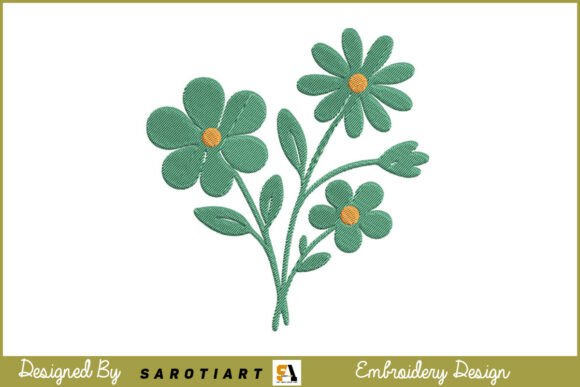
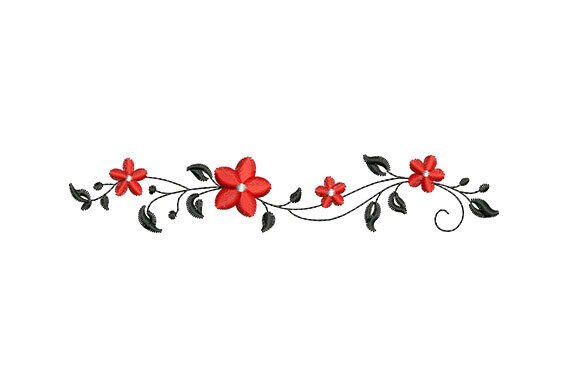
Opening the preview of the Red Flower Vine Embroidery, the immediate impression is one of classic elegance. This isn't a wild, chaotic garden scene; it is a structured border featuring vibrant red blossoms that seem to shimmer even in a digital mockup. For an Etsy seller or a boutique owner looking to elevate their brand, this design offers a distinct visual personality. It feels less like a novelty item and more like a timeless accent suitable for high-end handmade goods.
The layout suggests a border application, which is versatile for framing other elements or defining edges on fabric. However, as a reviewer, my first instinct is to look beyond the pretty picture. Does the line weight hold up? Are the gaps between the flowers too wide, risking visibility through the fabric? In this case, the vine structure appears robust enough to maintain its shape without becoming a tangled mess of thread, provided the stitch density is managed correctly during digitizing.
Real-World Application: From Tote Bags to Holiday Gifts
To truly judge the Red Flower Vine Embroidery, I visualized it on a custom embroidered tote bag made of heavy canvas. Imagine a natural beige tote where this red vine runs along the top edge. The contrast would be striking, instantly transforming a plain accessory into a statement piece. The "shimmering" quality mentioned in the description likely comes from the interplay of satin stitches on the petals against fill stitches in the leaves. On a smooth canvas, this would pop beautifully, making it an excellent candidate for a small shop product or a premium gift.
I also considered its use in holiday embroidery. Red is a quintessential holiday color, and a vine motif works perfectly for wrapping ribbons, table runners, or even as a border on a festive apron. If you are a craft business owner preparing for the season, this design fits seamlessly into a collection of personalized gifts. It adds a touch of warmth without being overly cheesy. Furthermore, for custom apparel, placing this vine along the hem of a sweatshirt or the cuff of a jacket could add a professional finish that elevates the perceived value of the garment.
Baby Items and Nursery Decor
While red can be bold, the floral nature of this design softens it significantly. I see great potential for baby embroidery if paired with neutral fabrics. A white onesie with a subtle red vine border near the neckline would be adorable and gender-neutral enough for many parents. However, caution is needed here. Baby clothes require frequent washing, so the durability of the fill stitch becomes critical. You must ensure the design does not have overly dense areas that could stiffen the fabric, causing discomfort for a child.
Navigating Technical Challenges and Fabric Choices
Every digital embroidery file has its limitations, and the Red Flower Vine Embroidery is no exception. As a practical designer, I advise against using this on highly textured fabrics like thick wool or bouclé immediately. The intricate details of the vine might get lost in the texture, leading to a muddy appearance. Instead, stick to smoother surfaces like cotton blends, linen, or denim where the definition of the Outline Flowers remains crisp.
Hoop size is another critical factor. Since this is a border design, you need to verify the dimensions before hooping. If you are working with a small hoop, you may need to segment the design, which introduces jump stitches that can sometimes snag on delicate fabrics. Always test the design on scrap fabric first to check how the machine handles the transitions between the red blossoms and the green vines.
When working with dark fabrics, the "shimmering" effect relies heavily on thread choice. Standard red thread might disappear against a black background. You might need to consider metallic threads or a lighter shade of red to maintain visibility. Additionally, if you plan to use this on stretchy materials like jersey knit for t-shirts, you must use the correct stabilizer. Without proper backing, the tension of the embroidery could cause the fabric to pucker, ruining the sophisticated look the design aims to achieve.
Commercial Viability and Brand Consistency
For those running a craft business or selling commercial embroidery assets, consistency is key. The Red Flower Vine Embroidery offers a cohesive look that can become part of your brand identity. Using it across various items—from embroidered patches to pillow covers—creates a recognizable style for your customers. This visual repetition builds trust and makes your shop feel curated rather than random.
However, remember that customer expectations are high. A poorly executed stitch job can damage your reputation. Before listing any finished product, inspect the back of the stitching. Are there excessive knots? Is the stabilizer trimmed cleanly? These details matter just as much as the front view. If you are creating printable mockups to sell the design itself, ensure the images accurately represent how the thread colors will appear on different backgrounds.
Practical Designer Notes for Success
If you decide to move forward with this project, keep these practical tips in mind:
- Test Stitch First: Never skip the test run on a scrap piece of your actual project fabric. Check for puckering and thread tension issues.
- Check Licensing: Confirm whether the license allows you to sell finished items containing the design or if it is restricted to personal use only. This is crucial for digital product sellers.
- Stabilizer Selection: Use a tear-away stabilizer for woven fabrics and a cut-away for knits to prevent distortion.
- Color Contrast: Compare the red thread against your fabric swatch under different lighting conditions to ensure visibility.
- Mockup Verification: Create black and white mockups to assess the balance of the design without the distraction of color.
In conclusion, the Red Flower Vine Embroidery is a strong contender for designers seeking a blend of traditional beauty and modern utility. It shines on tote bag designs, sweatshirt embroidery, and home decor items when applied with care. By respecting the technical requirements of the Embroidery process and choosing the right applications, you can turn this design asset into a profitable and beautiful addition to your portfolio. Whether you are a hobbyist making a holiday gift or a professional launching a new line, this design offers the sophistication your customers are looking for.